The website that simplified India’s most complex public health data.
Dreamjar for Population Foundation of India

The website that simplified India’s most complex public health data.

About

Population Foundation of India is a national civil society organisation founded by J R D Tata. It works with the government, partners, and the media to strengthen family planning and public health communication across the country, with a focus on making national health information accessible, accurate, and contextually understood.


Web & DigitalVisual Communication

Detailed Scope

Information Architecture
UX Strategy
UI Design
Dashboard Design
Interactive Map Development
Data Structuring and Visualisation
Responsive Frontend Development
Infographic and Publication Design
Performance and Accessibility Planning

Challenge

India’s family planning and sexual and reproductive health and rights (SRHR) information sits across National Family Health Survey (NFHS) rounds, Census datasets, and dense policy documents. The data is reliable but hard to use, with shifting indicators, inconsistent formats, and no single place that ties context to numbers. Journalists depend on speed and accuracy, yet PFI received repeated requests for the same information because the existing pathways did not support fast interpretation.

Solution

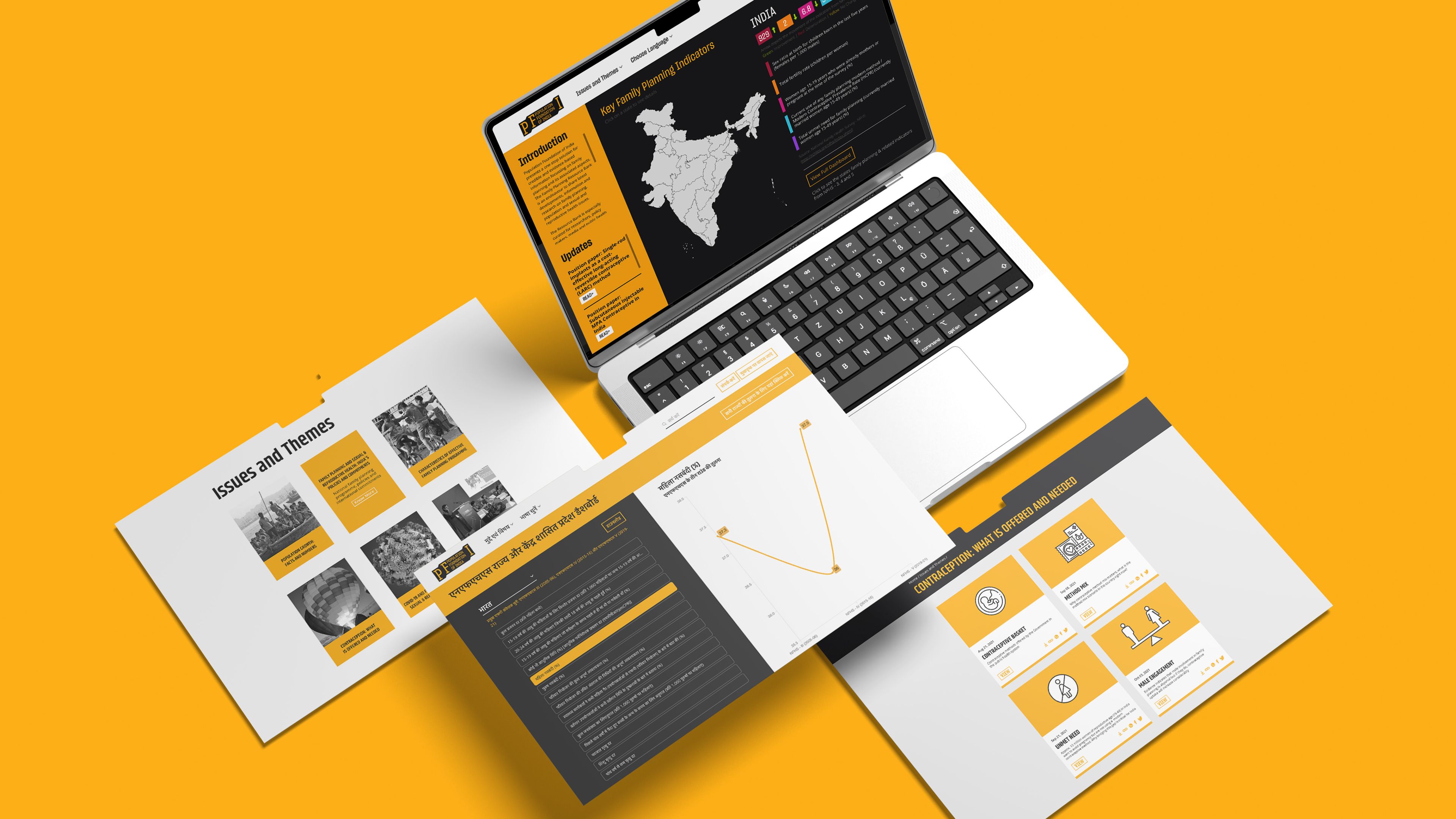
Dreamjar built a structured information platform that brought PFI’s knowledge products and national health datasets together in one stable system. The solution included an interactive family planning map, a multi-round NFHS comparison dashboard, and thematic hubs with publication-ready downloads. The system improved speed, clarity, and accuracy for journalists, researchers, and policy teams, while keeping accessibility and scalability a priority.
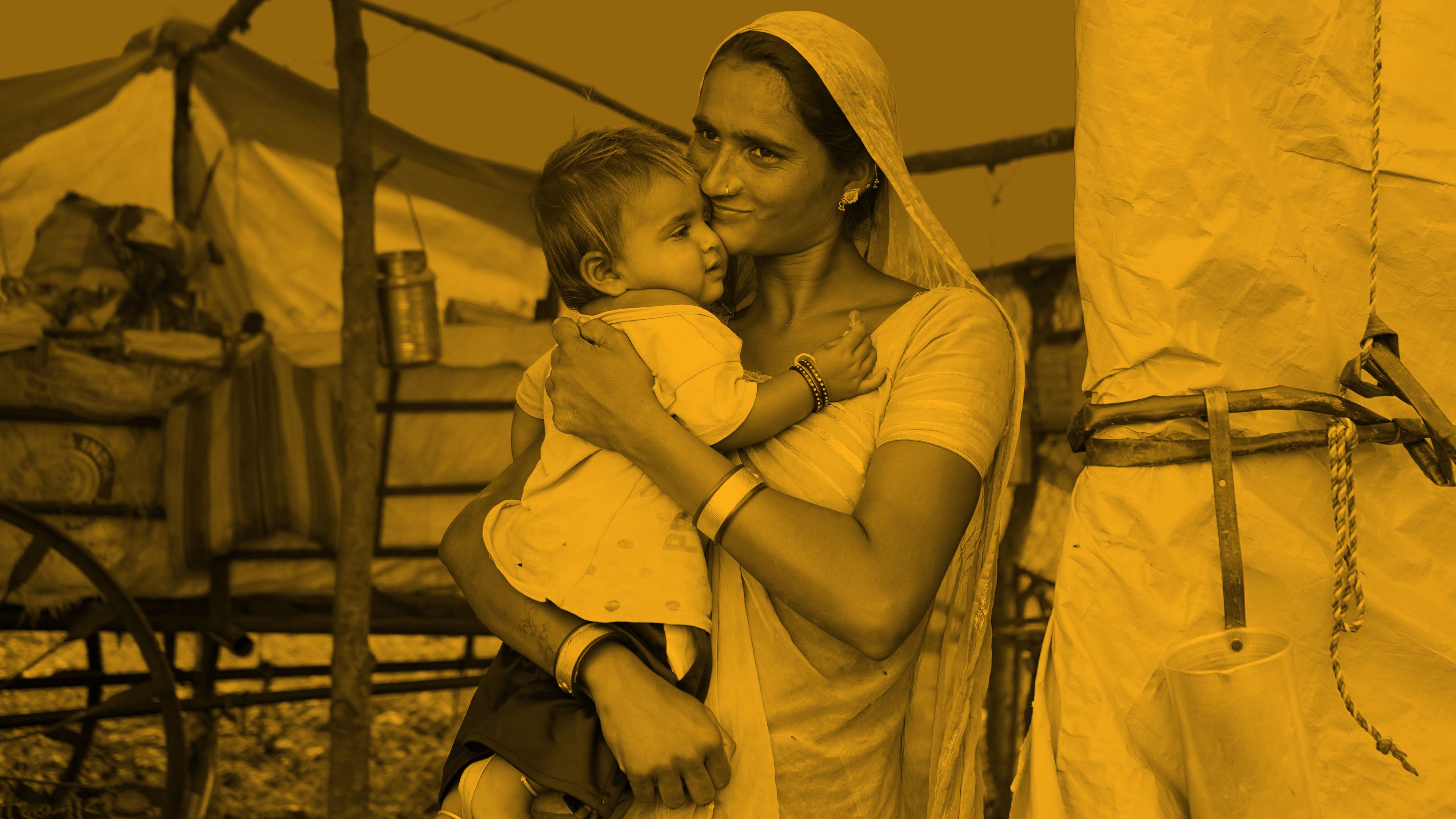
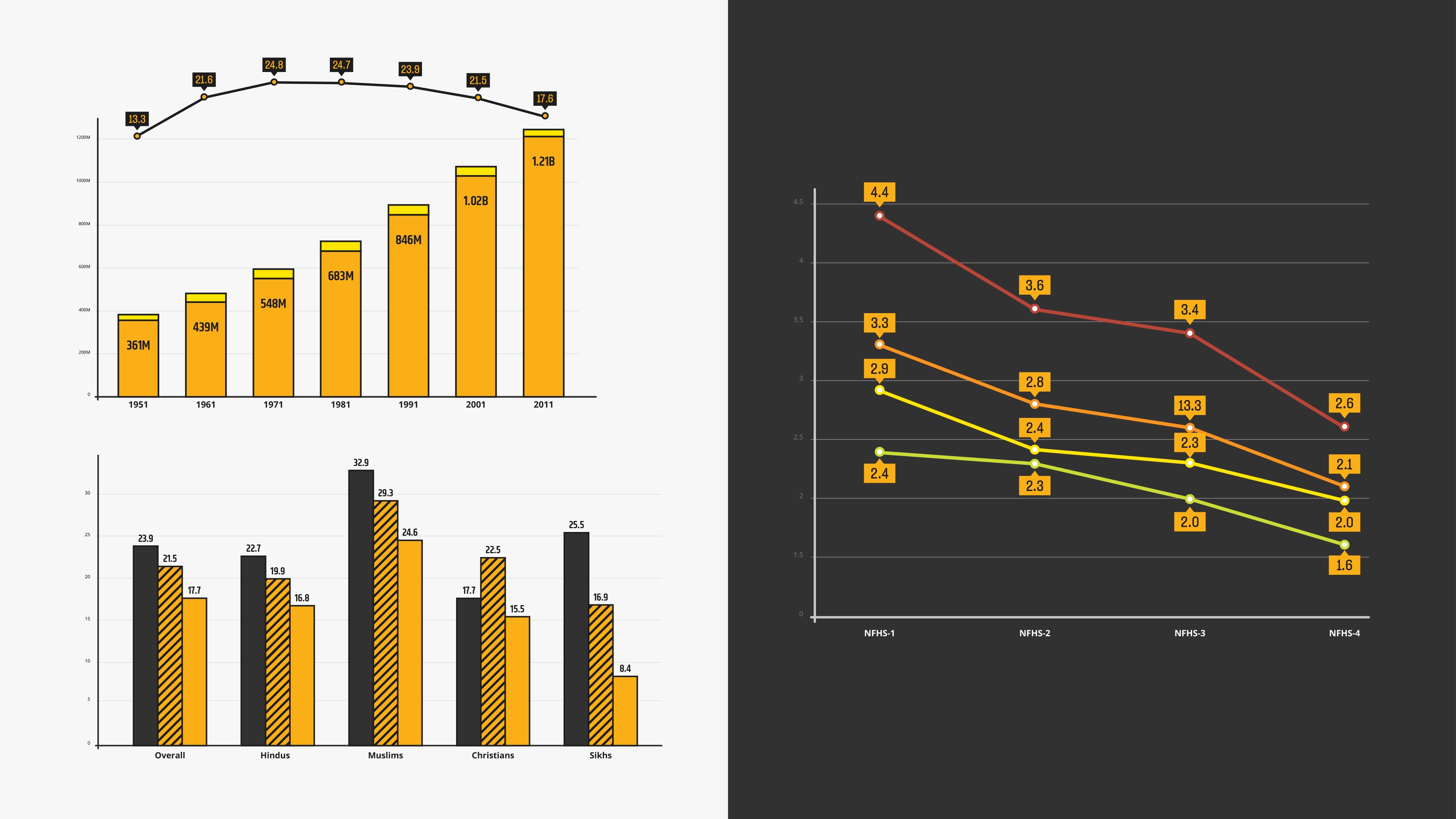
A sector built on data, and a gap in how it was understood.

India’s family planning landscape depends on national health datasets, long policy documents, and a wide range of scattered, unorganised research material. These sources are accurate but not easy to use. Formats differ, indicators shift across years, and most material sits inside dense, inconsistent PDFs. Journalists often work against tight deadlines, yet the raw information offers little help. Even when the numbers are correct, the lack of structure makes quick interpretation difficult and raises the chance of missing the wider context.

Population Foundation of India (PFI) sees this challenge closely. Founded by J R D Tata, PFI is a national civil society organisation that works with government, partners, and the media to advance family planning and public health. They are often the first point of contact for journalists, but sharing information in fragments created risks. Without a single, contextual source, reporting could easily lose nuance. PFI needed a stable FP resource centre that brought their knowledge products and data points together, offered clarity, and reduced repeated manual responses. It had to support fast reporting and strengthen the accuracy of information reaching the public. This was the gap Dreamjar stepped in to solve.

Slide

Wrestling with PDFs and a mountain of data.

The project began with understanding the information landscape. The material came from National Family Health Survey (NFHS) rounds, Census data, policy documents, and PFI’s own taxonomy, most of it stored in large, inconsistent PDFs. We studied the indicators, definitions, and formats that shaped the FP narrative to map how the data behaved, where gaps appeared, and what journalists needed when working under pressure.

Next, we built the system’s foundation. The sitemap organised all content into a structure that made the information predictable and easy to follow. Every decision centred on clarity, accuracy, and long-term sustainability. We also planned for a balance between quick reading for journalists and deeper exploration for researchers. Scalability was considered early, so new indicators and NFHS rounds could be added without disrupting the core structure. This stage established the logic that guided the entire system.

Slide

Making the information work for the people who need it.

The system had to help journalists, researchers, and policy teams find clear answers fast. We built it around three parts, an interactive map for quick scans, a full NFHS dashboard for comparisons, and thematic knowledge hubs for context, all available in Hindi and English through a simple toggle. The platform was designed for stability, scalability, and accessible performance, with fast loading, smooth navigation, and reliable charts across devices.

Slide

Interactive Family Planning Map

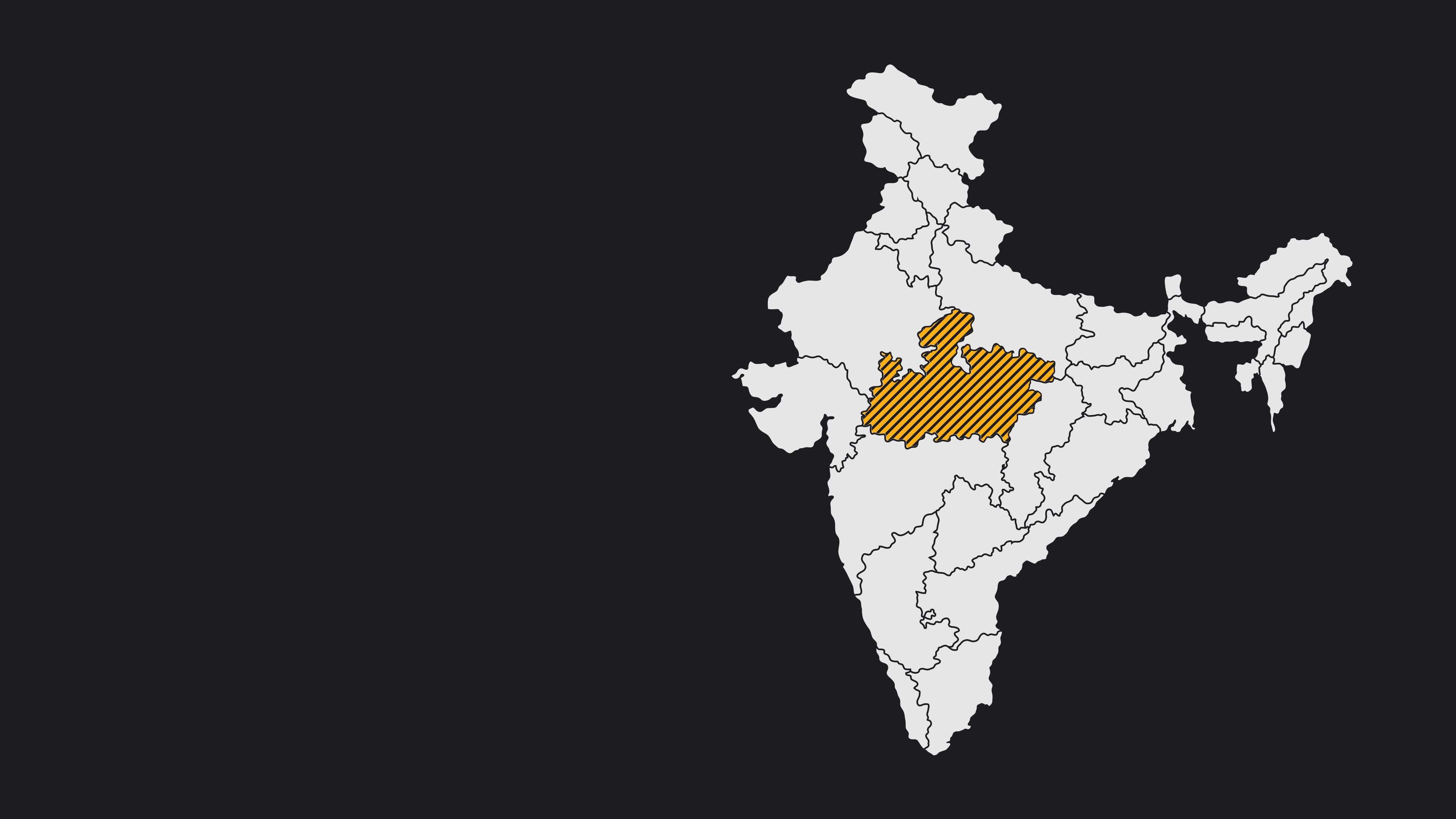
The homepage map offered a fast way to explore India’s FP landscape. Clicking on a state updated key indicators on the side panel, while an India view provided broader context. Users could scan variations quickly and move to the full dashboard whenever they needed deeper analysis.

NFHS Dashboard

The dashboard brought NFHS III, IV, and V together. Users could switch between India and any state, choose indicators, and compare rounds through clean, responsive charts. It helped users read changes across years without digging through NFHS reports.

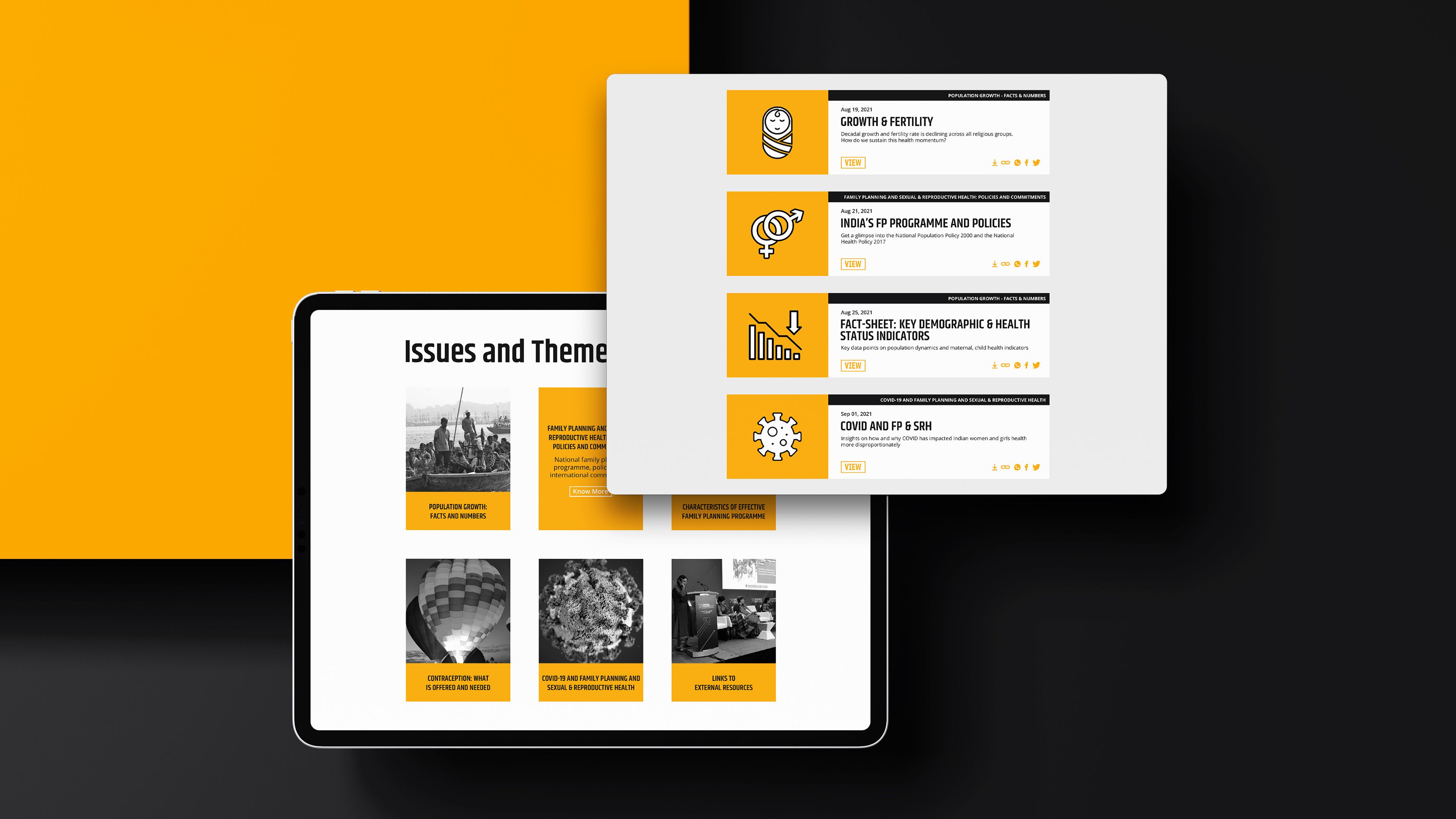
Thematic Knowledge Hubs

The hubs grouped PFI’s documents, fact sheets, infographics, reports, and videos into clear categories.
Each hub offered short summaries and direct pathways to detailed content, giving journalists and researchers the context they needed without searching through scattered documents. Several were available as downloadable assets and translated complex demographic and public health data into publication-ready visuals, covering census trends, TFR patterns, method-mix charts, and verified indicator notes that could be used directly in reporting.

Slide

For us, the project felt like being in a school library where the most useful books were hiding behind half-torn magazines and dusty encyclopaedias. Everything was there, only arranged in a way that turned simple searching into something that ate up the whole library period. Once the shelves were rebuilt and the sections lined up, the information finally started presenting itself without effort.

The website that simplified India’s most complex public health data.